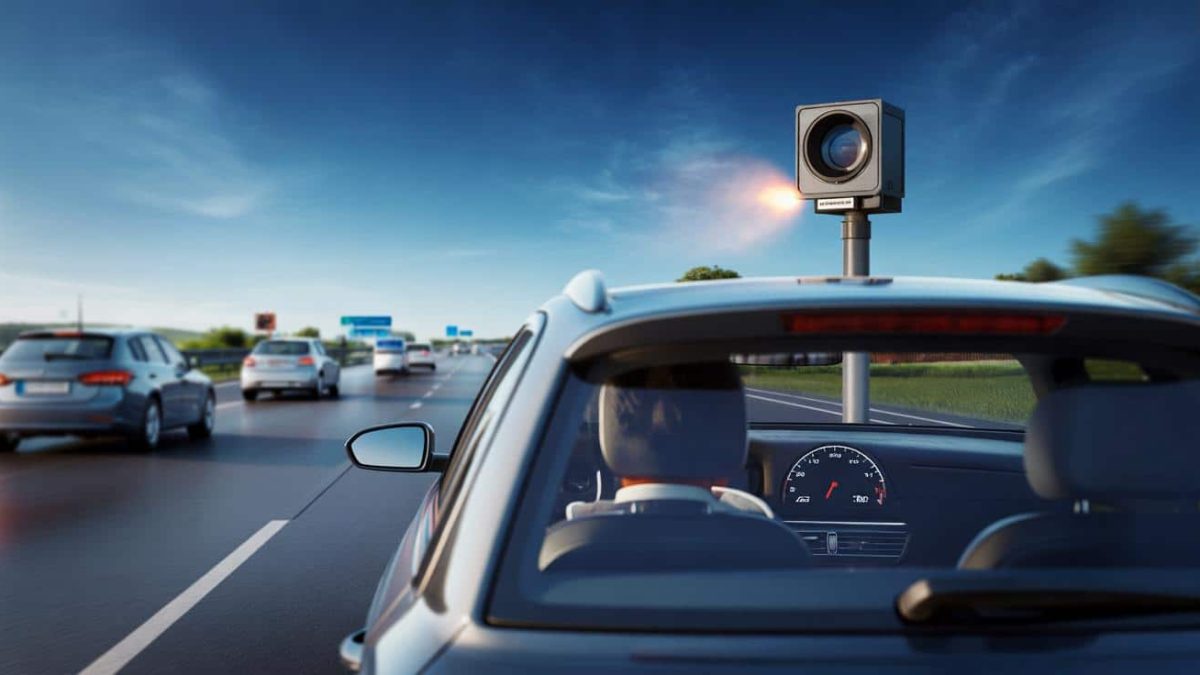
The familiar flash of a speed camera is enough to make any driver’s heart skip a beat. Speeding is a common offense, but the penalties can be steep. However, there’s some good news for motorists – the official speed camera tolerance limits have changed, and drivers now have a little more leeway when it comes to avoiding fines.
In the past, the general rule was that drivers would receive a ticket if they exceeded the speed limit by just 10% plus 2mph. But those days are over. The new guidelines, introduced in a bid to create more consistency across the country, mean that drivers can now travel a little faster without fear of punishment.
So, what do the new speed camera tolerances mean for everyday drivers, and how can you stay on the right side of the law? Let’s take a closer look.
The New Speed Camera Tolerance Limits Explained
Under the updated guidelines, the speed camera tolerance thresholds have been raised. Drivers can now travel up to 10% above the posted speed limit, plus 2mph, before facing a fine or penalty points.
For example, on a 30mph road, you could travel up to 35mph without triggering a speed camera. On a 70mph motorway, you could drive at up to 79mph without risking a ticket.
These new tolerances apply to fixed, average, and mobile speed cameras alike, providing a consistent approach across the country.
What Prompted the Change?
The previous speed camera thresholds had been in place for many years, but they were criticized for being too strict and inconsistent. Different police forces had been applying the rules differently, leading to confusion and frustration for drivers.
The new guidelines, introduced by the National Police Chiefs’ Council (NPCC), aim to create a more standardized approach. The goal is to ensure fairness and transparency, while also recognizing that modern vehicles can safely handle higher speeds.
By increasing the tolerance limits, the authorities hope to strike a better balance between road safety and the realities of modern driving.
How the New Tolerances Affect Everyday Drivers
For the average driver, the new speed camera tolerances offer a welcome sense of relief. No longer will you have to obsessively monitor your speedometer, constantly worrying about accidentally creeping over the limit.
The increased thresholds mean you can now drive with a little more flexibility, without the constant fear of a penalty. This can be especially beneficial on long journeys, where it’s easy for your speed to gradually increase without you realizing it.
Of course, the new guidelines don’t give drivers a free pass to speed excessively. Motorists should still aim to stay within the posted limits, but they can now enjoy a small margin of error without facing the consequences.
What Drivers Need to Know About the Changes
While the new speed camera tolerances offer more leeway, it’s important for drivers to understand the details and implications.
Firstly, the 10% plus 2mph rule is not a license to drive recklessly. Exceeding the speed limit, even within the new tolerances, can still be dangerous and put other road users at risk.
Additionally, the guidelines only apply to speed camera enforcement. Police officers still have the discretion to issue tickets for drivers caught speeding, even if they’re within the new tolerance limits.
Staying Safe and Legal with the New Tolerances
The key to navigating the new speed camera tolerances is to strike a balance between safety and legal compliance.
Drivers should still aim to stay within the posted speed limits whenever possible, but they can now have a little more confidence that a minor slip-up won’t automatically result in a fine or penalty points.
By being aware of the new guidelines and driving responsibly, motorists can enjoy the benefits of the increased tolerances without compromising road safety.
FAQs: What Drivers Need to Know
What are the new speed camera tolerance limits?
The new guidelines allow drivers to travel up to 10% above the posted speed limit, plus an additional 2mph, before facing a fine or penalty points.
Do the new tolerances apply to all types of speed cameras?
Yes, the new 10% plus 2mph rule applies to fixed, average, and mobile speed cameras across the country.
Can I still get a ticket if I’m within the new tolerance limits?
Yes, the new guidelines only apply to speed camera enforcement. Police officers still have the discretion to issue tickets for drivers caught speeding, even if they’re within the tolerance thresholds.
Does this mean I can now speed more without consequences?
No, the new tolerances are not a license to drive recklessly. Motorists should still aim to stay within the posted speed limits whenever possible, as exceeding the limit, even within the new thresholds, can still be dangerous.
How will the new tolerances affect my insurance premiums?
Speeding tickets, even within the new tolerance limits, can still lead to increased insurance costs. Drivers should still strive to drive safely and legally to avoid any negative impact on their insurance premiums.
Do the new tolerances apply to all roads, or just certain types?
The new 10% plus 2mph rule applies to all roads where speed limits are enforced by cameras, regardless of the posted limit.
What should I do if I receive a speeding ticket within the new tolerance limits?
If you receive a speeding ticket despite being within the new tolerance thresholds, you should contact the issuing authority to dispute the ticket, as you may be able to have it overturned.
How can I ensure I stay within the new speed camera tolerances?
The best way to stay within the new tolerances is to use your speedometer and drive responsibly, aiming to stay as close to the posted speed limit as possible. Avoid any sudden acceleration or unnecessary speeding.