As the sun streams through the windows of the prefecture waiting room, the diverse crowd gathers with a common purpose – renewing their driver’s licenses. From the young courier to the retiree, each face reflects the diverse tapestry of French society. But amidst the bustle, a question lingers: is there truly an age limit for driving in France?
The answer, it seems, is not as straightforward as one might expect. While there are age-related regulations, the French government has taken a nuanced approach, focusing on individual responsibility and fitness to drive rather than a one-size-fits-all age cutoff.
Debunking the Myth: The Real Age Limit for Driving in France
Contrary to popular belief, there is no single age at which French drivers are automatically required to surrender their licenses. Instead, the system is designed to assess an individual’s ability to drive safely, taking into account both physical and cognitive factors.
According to the French Ministry of the Interior, the focus is on ensuring responsible and competent driving, regardless of age. “It’s not about a magic number,” explains Marie-Laure Durand, a policy expert from the ministry. “It’s about evaluating each person’s capacity to drive safely and making decisions accordingly.”
This approach has garnered praise from road safety advocates, who argue that a one-size-fits-all age limit could unfairly penalize older drivers who remain perfectly capable behind the wheel.
The Three-Stage Renewal Process: Keeping Your License Longer
As French drivers age, they must undergo a three-stage renewal process to maintain their driving privileges. At the age of 60, 70, and 75, they are required to undergo a medical examination and provide additional documentation to demonstrate their fitness to continue driving.
The first stage, at 60 years old, involves a basic vision and cognitive assessment. The second, at 70, adds a more comprehensive medical evaluation. It’s not until the third stage, at 75, that drivers may face more stringent requirements, such as submitting to a road test or providing a specialist’s report.
Importantly, even at this stage, the decision is not automatic. “It’s not a case of suddenly losing your license at 75,” says Durand. “The authorities will look at each case individually and make a judgment call based on the person’s abilities and health conditions.”
Responsibility and Maturity: The Cornerstone of France’s Driving Policy
The French government’s approach to driving age limits reflects a deep-seated belief in individual responsibility and the value of experience. Rather than imposing a rigid cutoff, the system recognizes that older drivers can bring a wealth of knowledge and caution to the road.
“Mature drivers often have a greater sense of risk awareness and tend to be more cautious,” explains Jean-Luc Milhau, a road safety researcher. “This can actually make them safer behind the wheel than some younger, more reckless individuals.”
By focusing on personal fitness and responsibility, France aims to strike a balance between ensuring road safety and respecting the autonomy and independence of its aging population.
Navigating the Renewal Process: Tips for Older Drivers
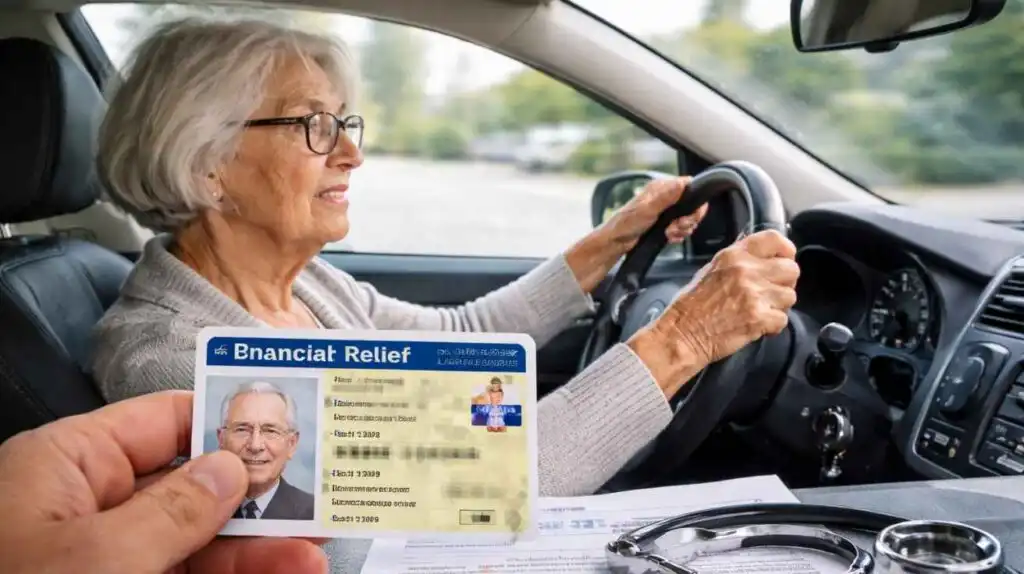
For older drivers in France, the key to maintaining their driving privileges is to take a proactive approach to the renewal process. This includes regularly monitoring their health, being honest about any changes or concerns, and working closely with their healthcare providers.
“The best thing older drivers can do is to stay engaged and informed,” advises Durand. “Don’t wait until the last minute to start the renewal process. Stay on top of it, and don’t be afraid to have open conversations with your doctor about your fitness to drive.”
By embracing this collaborative approach, French drivers can help ensure that they continue to enjoy the freedom and independence that comes with being behind the wheel, even as they grow older.
The Road Ahead: France’s Vision for Safe and Sustainable Mobility
France’s approach to driving age limits is part of a broader vision for safe and sustainable mobility, one that recognizes the diverse needs and capabilities of its citizens.
“It’s not just about driving licenses,” explains Milhau. “It’s about creating a transportation system that works for everyone, regardless of age or ability. This means investing in public transit, improving infrastructure, and fostering a culture of shared responsibility on the roads.”
As the population continues to age, this holistic approach will become increasingly important. By focusing on individual fitness and responsibility, France aims to empower its older citizens to maintain their independence and active lifestyles, while also ensuring the safety of all road users.
| Age | Renewal Requirements |
|---|---|
| 60 | Basic vision and cognitive assessment |
| 70 | Comprehensive medical evaluation |
| 75 | Possible road test or specialist’s report, assessed on a case-by-case basis |
“Mature drivers often have a greater sense of risk awareness and tend to be more cautious. This can actually make them safer behind the wheel than some younger, more reckless individuals.”
– Jean-Luc Milhau, road safety researcher
“It’s not about a magic number. It’s about evaluating each person’s capacity to drive safely and making decisions accordingly.”
– Marie-Laure Durand, policy expert, French Ministry of the Interior
“The best thing older drivers can do is to stay engaged and informed. Don’t wait until the last minute to start the renewal process. Stay on top of it, and don’t be afraid to have open conversations with your doctor about your fitness to drive.”
– Marie-Laure Durand, policy expert, French Ministry of the Interior
In the end, France’s approach to driving age limits is not about a single, arbitrary number, but about fostering a culture of responsible, sustainable mobility. By empowering older citizens to maintain their independence and active lifestyles, while also ensuring the safety of all road users, the country is setting an example for the rest of the world to follow.